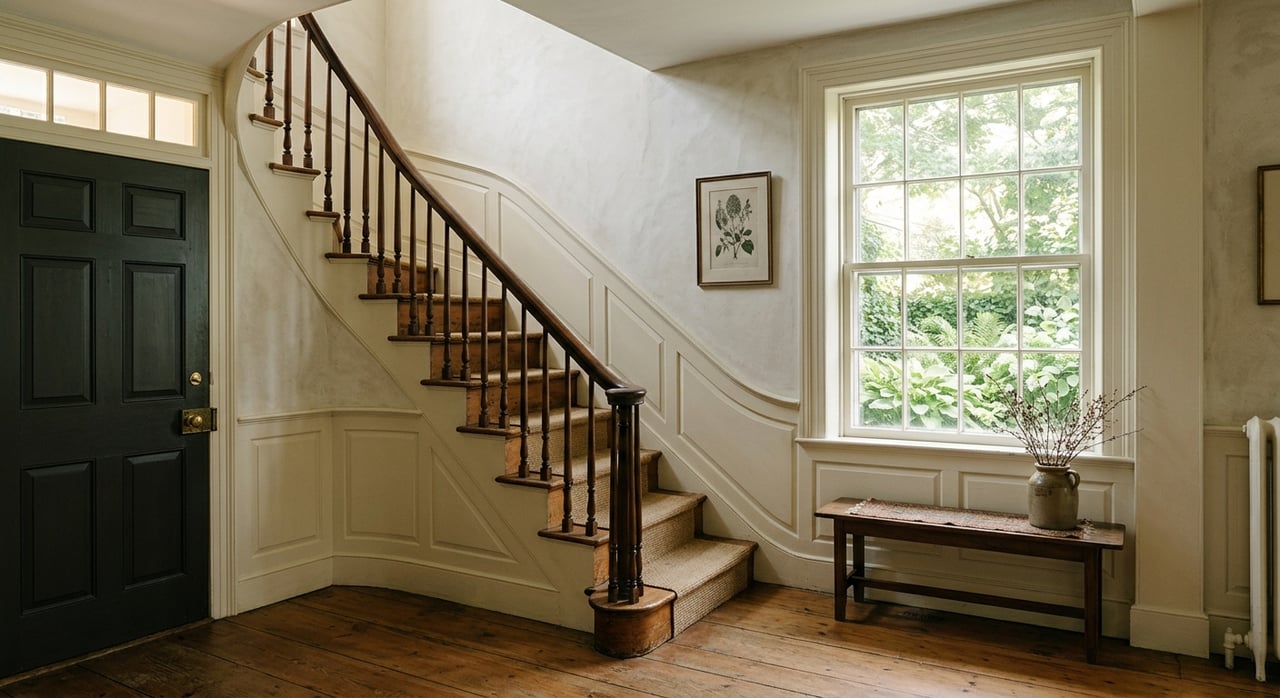
Buying a historic home in Portsmouth can feel exciting and a little intimidating at the same time. You may love the character, the architecture, and the sense of place, but you also want to avoid surprises after closing. This guide will help you understand what makes Portsmouth’s historic homes unique, what to watch for before you buy, and how to plan your next steps with confidence. Let’s dive in.
Why Portsmouth Historic Homes Stand Out
Portsmouth’s historic homes are shaped by more than age and charm. The city has five locally designated historic districts: Cradock, Olde Towne, Park View, Port Norfolk, and Truxtun. If you are shopping in one of these areas, the home’s architecture, lot layout, and exterior review rules can all affect your decision.
That matters because a historic home in Portsmouth is not one-size-fits-all. One property may sit on a compact urban lot with limited setbacks, while another may have a more traditional residential layout. As a buyer, you will want to understand both the house itself and the district context around it.
Portsmouth Historic Districts at a Glance
Olde Towne Homes
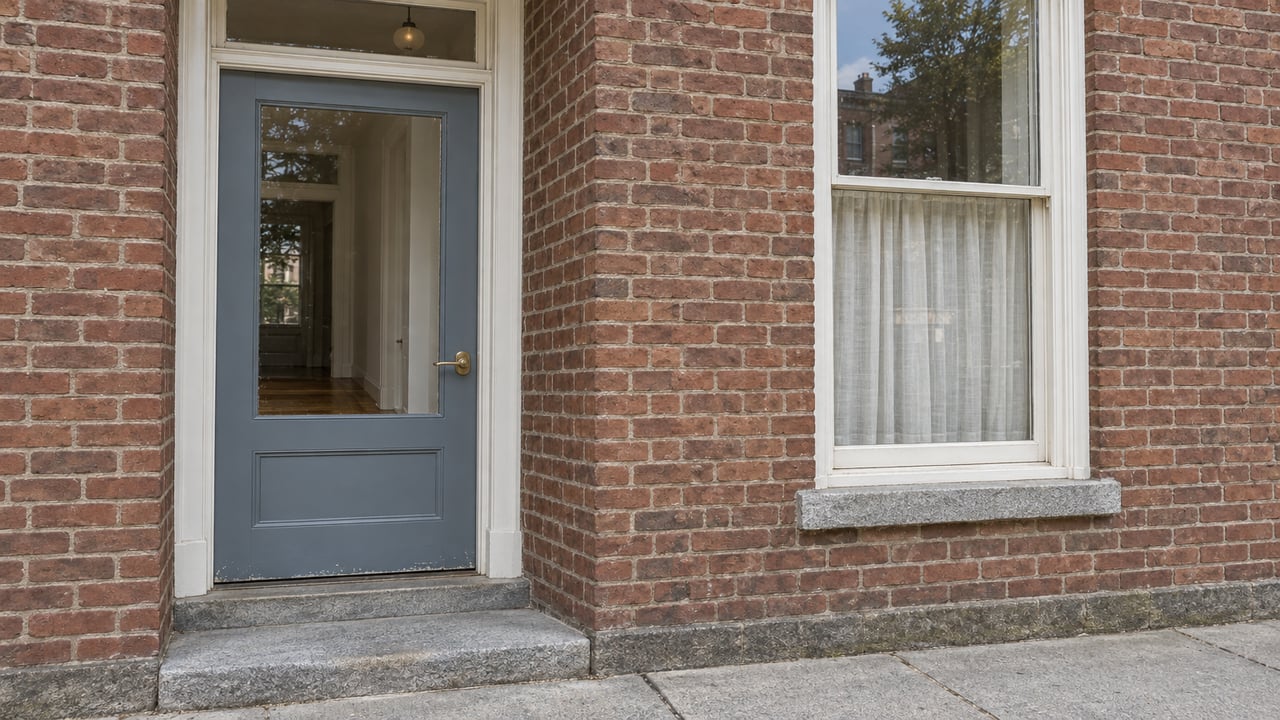
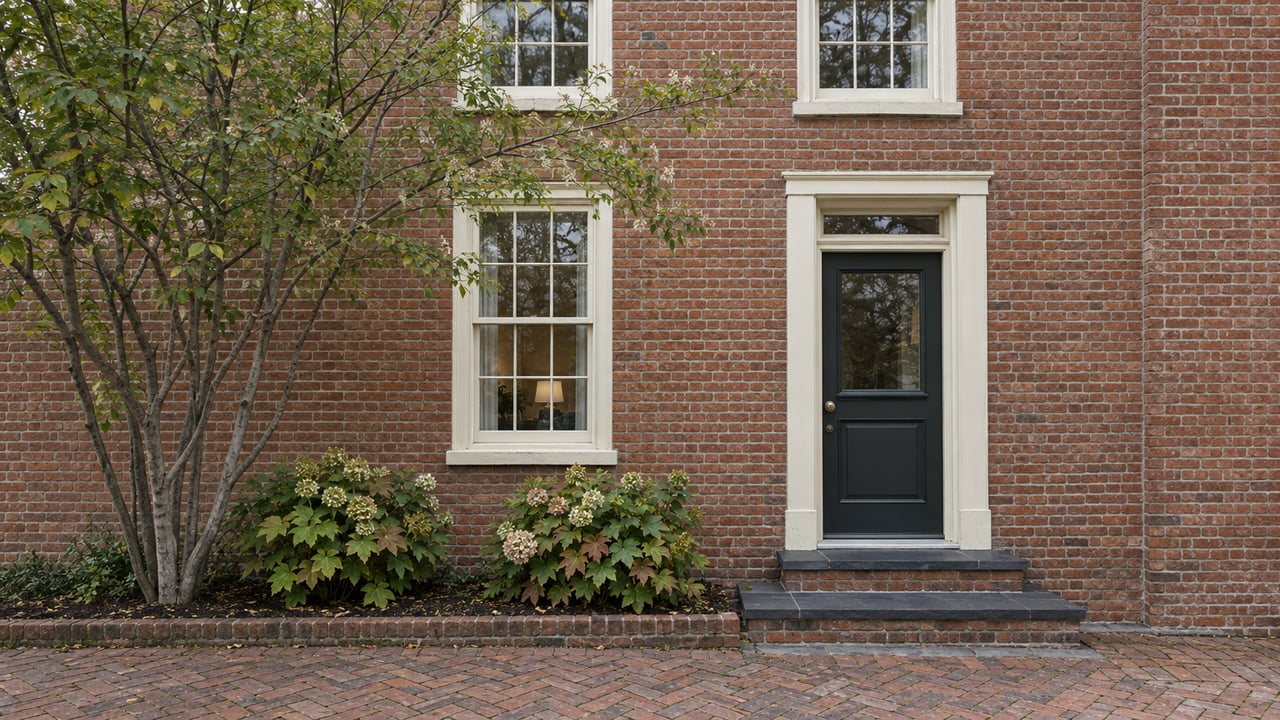
Olde Towne is Portsmouth’s oldest core district. The city describes many homes here as two- and three-story brick or frame townhouses on high English basements, with Federal and Greek Revival examples alongside later Queen Anne and Colonial Revival styles.
This district also has narrow lots, shallow setbacks, and a dense street pattern. The city notes that the basement houses were designed to withstand frequent flooding, which makes water management an especially important topic when you are evaluating a home here.
Park View Homes
Park View developed mainly from 1894 to 1915. The district includes Queen Anne, Colonial Revival, American Foursquare, and Bungalow houses.
The city also notes that Park View contains Portsmouth’s first duplexes with symmetrical facades. If you are comparing property types, that mix can give you more variety in both design and layout.
Port Norfolk Homes
Port Norfolk was built largely between 1890 and 1920, with many residences dating from 1890 to 1910. Common styles include Queen Anne, American Foursquare, Colonial Revival, and Bungalow.
For buyers, that often means you may find homes with strong period details paired with updates made over many decades. It is smart to look closely at how those updates were completed and whether they fit local requirements.
Cradock Homes
Cradock is a planned shipyard-worker neighborhood with many frame clapboard houses. The city describes common styles here as English Cottage, Bungalow, Colonial Revival, Dutch Colonial, and Tudor Revival.
If you are drawn to historic homes but want a different feel from Olde Towne’s dense urban pattern, Cradock may offer a distinct experience. The site layout and neighborhood form can be very different from Portsmouth’s older core districts.
Truxtun Homes
Truxtun is also a locally designated historic district. The city notes that it has its own design guidance and pre-approved infill plans for some new single-family construction.
That is a helpful reminder that district rules can vary. Before you write an offer, confirm which local guidance applies to the specific property you are considering.
Why Lot Layout Matters
When buyers hear the phrase historic home, they often focus on interior character like fireplaces, trim, staircases, and old wood floors. In Portsmouth, you should also pay close attention to the lot, setbacks, parking setup, and room for future additions.
The city’s district materials show clear differences from one area to another. Olde Towne is more compact and urban, while Park View, Port Norfolk, and Cradock reflect later residential development patterns with different site forms. That can influence everything from daily convenience to renovation options.
Water and Flood Risk Should Be a Top Priority
For any older home, water is one of the biggest long-term concerns. The Virginia Department of Historic Resources says moisture is often the most serious threat to historic structures, and it recommends identifying and correcting moisture paths before taking on interior repairs.
That advice is especially important in Portsmouth. The city says flooding can result from rain, coastal storms, storm surge, and water-system overflow, and it also notes that homeowners’ and renters’ insurance typically do not cover flood damage.
The city further states that more than 20% of flood claims come from properties outside the high-risk flood zone. In other words, you should not treat flood risk as something that matters only if the home falls in the most obvious category on a map.
What to check before you buy
- Ask whether the property is in a flood hazard zone
- Verify the address on FEMA’s Flood Map Service Center
- Ask whether flood insurance will be required for your loan
- Request information about current or past flood insurance if available
- Look closely at drainage, gutters, downspouts, roof condition, and signs of water intrusion
- Pay attention to basements, crawl spaces, and lower-level walls for moisture clues
Historic Home Maintenance Is Different
Owning a historic home usually means taking a more disciplined approach to upkeep. The Virginia Department of Historic Resources says preservation is maintenance, with routine attention needed for items like chimneys, soffits, upper-floor windows, roofs, gutters, and downspouts.
For you as a buyer, this means cosmetic updates should never be the whole story. Fresh paint and stylish finishes can look great, but they do not replace solid maintenance of the systems and materials that protect the house.
DHR also notes that windows and roofs are often among the first features targeted for replacement, even though they are important historic elements. If a home has newer exterior components, ask how and when the work was done and whether it aligned with local review requirements.
Understand Portsmouth’s Approval Process
In Portsmouth’s historic districts, exterior work is not just a permit issue. The city says that new development, rehabilitation, or redevelopment within a historic district requires a Certificate of Appropriateness, in addition to any other permits that may apply.
The city also states that replacement doors and windows, exterior facade work, roofing, siding, and work in flood hazard zones require permits. It further notes that exemptions do not apply in regulated historic districts or regulated flood hazard zones, so construction, additions, alterations, demolition, repair, or replacement in those areas require permits.
Why this matters for buyers
Even simple-looking exterior projects may involve more time and review than you expect. If you are planning to change windows, repair siding, replace roofing, add an exterior feature, or make visible updates soon after closing, you should factor that process into your budget and timeline.
It is also wise to ask whether past exterior work was properly permitted. A beautiful renovation is not automatically a problem, but you do want to know whether previous changes were handled the right way.
Lead Paint Questions for Older Homes
If the home was built before 1978, lead-based paint is a possible concern. The EPA says homes built before 1978 may contain lead-based paint, and the older the home, the more likely that is.
The EPA also says renovation work that disturbs lead paint in pre-1978 housing should be performed by lead-safe certified contractors. If you are planning repairs, repainting, window work, or other remodeling, this is an important part of your due diligence.
Inspections and Appraisals Are Not the Same
Many buyers assume the appraisal will tell them everything they need to know about a house. It will not. The Consumer Financial Protection Bureau says a home inspection is different from an appraisal, even though buyers generally need both.
That distinction matters with historic homes. Older properties often have layers of repairs, upgrades, and maintenance history that require close evaluation.
For VA buyers, this is especially important. The Department of Veterans Affairs says a VA-approved appraiser evaluates value and minimum property requirements, but the appraisal is not an inspection. If you have concerns about the physical condition of the home, VA recommends hiring a private inspector.
HUD gives similar guidance for FHA financing, noting that FHA properties must be safe, sound, and secure, and that the appraisal does not replace a home inspection. No matter how you finance your purchase, the inspection is a buyer-protection step, not a box to check.
Questions to ask during due diligence
- Is the property inside a local historic district?
- Which exterior changes would need Certificate of Appropriateness review?
- Were past window, door, roof, or siding changes permitted?
- Are there visible signs of water intrusion or deferred maintenance?
- Does the home need lead testing or lead-safe renovation planning?
- Will flood insurance be required or recommended?
- How might the property’s condition affect your financing options?
Possible Tax Benefits for Rehabilitation
If you are buying a historic home that needs significant work, there may be financial offsets worth exploring. Portsmouth says rehabilitated structures may qualify for a local real estate tax exemption if the building is at least 25 years old and the residential rehabilitation increases the base assessed value by at least 40% with less than 15% structural addition.
The city says the exemption period is 10 years, and the owner or agent must file an application with the City Assessor within 10 business days after obtaining building permits. Timing matters here, so it is important to understand the requirements early.
Virginia also offers a state historic rehabilitation tax credit equal to 25% of eligible expenses, administered through the Virginia Department of Historic Resources. According to Virginia Tax and DHR guidance, owner-occupied projects generally must meet a rehab-cost threshold of 25% of the pre-rehab assessed value, while income-producing projects generally must meet a 50% threshold.
For buyers considering rental or other income-producing property, the federal 20% historic rehabilitation credit may also be relevant. The key point is that owner-occupied residences do not qualify for that federal credit.
A Smart Buying Strategy for Historic Homes
If you are serious about buying a historic home in Portsmouth, the best approach is to stay curious and stay organized. Character is a big part of the appeal, but condition, flood exposure, and approval requirements can shape the real cost and effort of ownership.
A strong plan usually looks like this:
- Confirm whether the property is in one of Portsmouth’s local historic districts
- Review the district context, including lot layout and exterior rules
- Investigate flood risk and likely insurance needs
- Schedule a private home inspection early in the process
- Ask about permits and prior exterior work
- Plan carefully if renovations are part of your purchase decision
Historic homes can be incredibly rewarding to own when you go in with the right expectations. If you want expert guidance on buying in Portsmouth and across Hampton Roads, connect with ELG CONSULTING GROUP for personalized support and a clear strategy.
FAQs
What should you check first when buying a historic home in Portsmouth, VA?
- Start by confirming whether the property is inside one of Portsmouth’s local historic districts, because that can affect exterior changes, permits, and review requirements.
Do Portsmouth historic homes require special approval for exterior changes?
- Yes. The city says work such as exterior alterations, windows, doors, roofing, siding, and certain development activity in historic districts may require a Certificate of Appropriateness and permits.
Is flood risk important when buying a historic home in Portsmouth?
- Yes. Portsmouth says flooding can result from rain, coastal storms, storm surge, and water-system overflow, and some properties outside high-risk zones still generate flood claims.
Do you still need a home inspection for a Portsmouth historic home if you are getting a VA or FHA loan?
- Yes. Official guidance states that appraisals and inspections serve different purposes, and neither a VA nor FHA appraisal replaces a private home inspection.
Can you get tax incentives for rehabilitating a historic home in Portsmouth, VA?
- Possibly. Portsmouth offers a local real estate tax exemption for qualifying rehabilitation projects, and Virginia offers a state historic rehabilitation tax credit for eligible work.