Thinking about moving to Williamsburg, VA? Picture brick-lined streets, a living history museum in your backyard, and the energy of a top public university all in one small, friendly city. If you want walkable charm, year-round cultural events, and easy access to beaches and rivers, Williamsburg may be a great fit. In this guide, you’ll learn what daily life feels like, where people live, how the market is trending, and practical details like schools, healthcare, and getting around. Let’s dive in.
Williamsburg at a glance
Williamsburg is a compact independent city on Virginia’s Tidewater peninsula with a strong historic and university identity. The U.S. Census estimate puts the city’s population around 16,030 as of July 1, 2024. You’ll find most activity within about 9 square miles, so nothing feels far away. The small footprint means many home shoppers also look to nearby James City County and York County for more options and price points.
Two institutions shape everyday life here. The College of William & Mary brings lectures, arts, and college sports, plus a visible student presence that adds energy during the academic year. You can track enrollment on the school’s official William & Mary enrollment data. The Colonial Williamsburg Historic Area anchors the walkable core with living-history exhibits, taverns, and events that draw visitors and locals alike. Explore the heart of downtown through the Colonial Williamsburg Historic Area.
Tourism and higher education fuel the local economy, so you’ll notice busy weekends, seasonal events, and a strong service sector. The region cites millions of annual visitors to the Historic Triangle, which keeps restaurants, hotels, and shops humming. You can see an overview in the city’s local economy highlights.
Daily life and lifestyle
Historic core and walkability
If you like being able to stroll for dinner or a coffee, the Historic Area and nearby Merchants Square deliver. It’s a compact, walkable district with museums, independent shops, and restaurants. The atmosphere changes with the seasons. Expect more visitors during holidays, spring weekends, and special programming, then quieter days in shoulder seasons.
University vibe and culture
William & Mary adds lectures, performances, college sports, and museum programming that locals enjoy year-round. You’ll see students and faculty out on Duke of Gloucester Street, in cafés, and at campus venues. That presence also affects rental demand near campus, especially around semester changeovers.
Dining, coffee, and craft beverages
Beyond historic taverns, you’ll find independent eateries, cafés, and tasting rooms around Merchants Square and in New Town, a mixed-use area with shopping, restaurants, and events. Weeknights are relaxed, while weekends can be lively when visitors are in town.
Housing, neighborhoods, and the market
Where people live
Because the city is small, housing feels varied block to block. Here’s how the mix tends to break out:
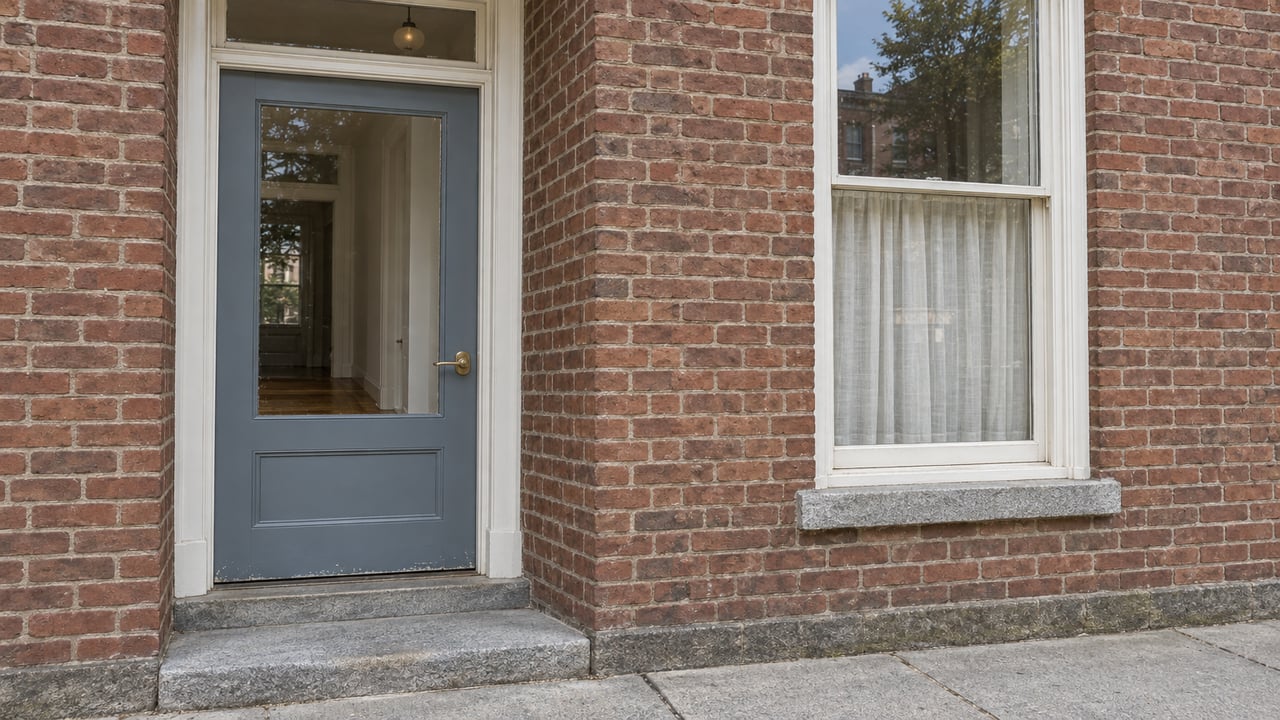
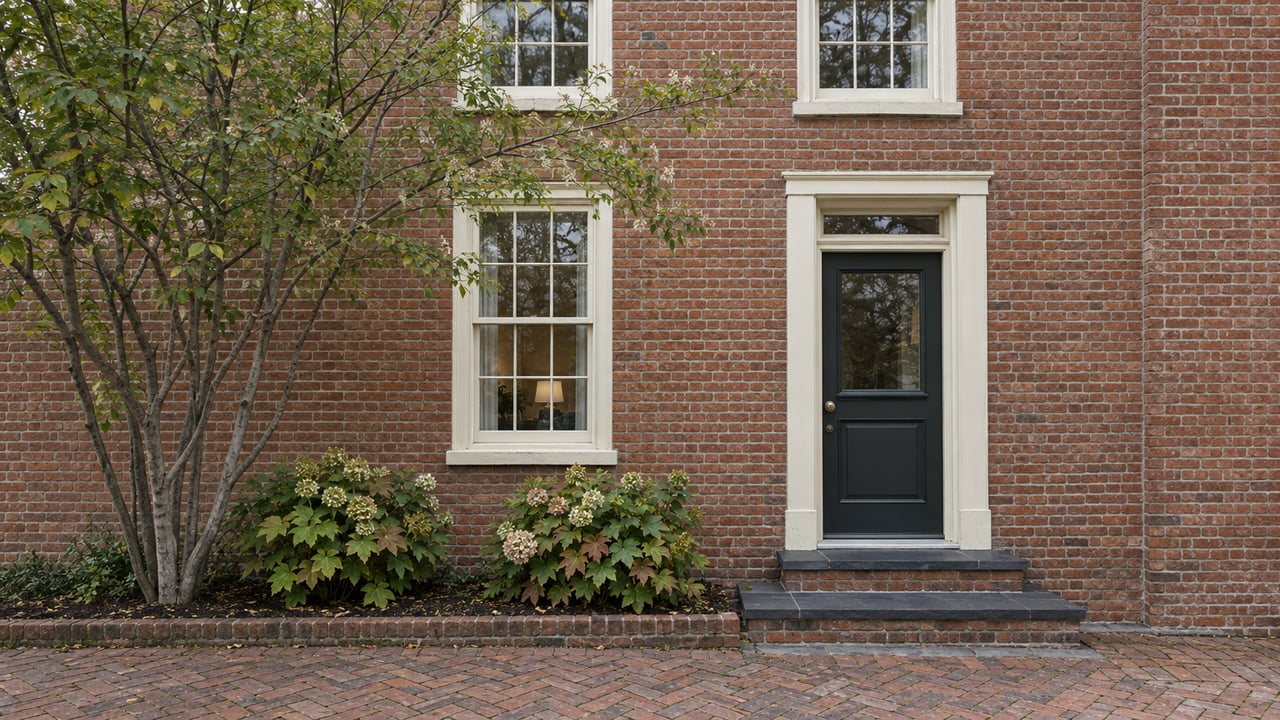
- Historic Area and adjacent streets: smaller historic homes, townhouses, and some apartment conversions. Some are owner-occupied, others are student or short-term rentals.
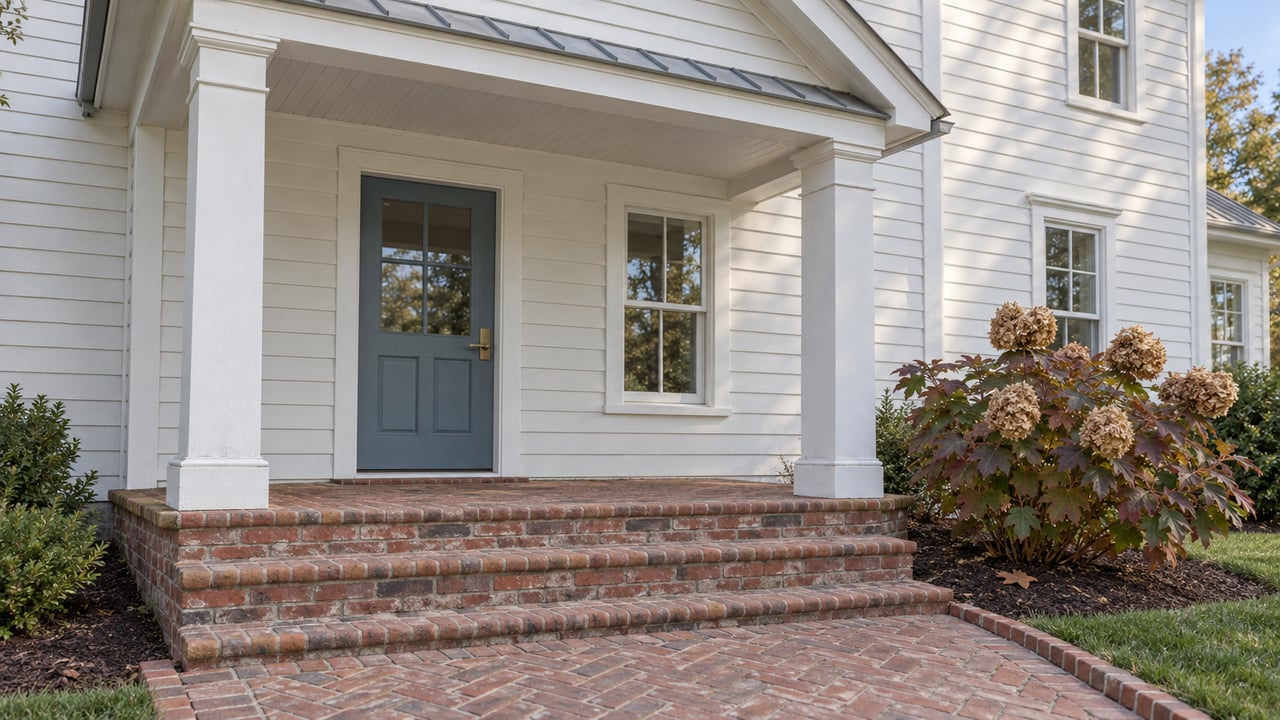
- City and near suburbs: mid-century ranches, single-family homes, townhome communities, and condos.
- Greater Williamsburg (James City County and York County): master-planned neighborhoods, golf and amenity communities, and larger single-family homes. New Town is a notable mixed-use hub with newer housing options.
When you compare homes, be clear whether you’re looking inside the City of Williamsburg or the broader Greater Williamsburg market. The city’s footprint is small, and many listings that say “Williamsburg” are actually in the surrounding counties.
Neighborhood snapshots
- Historic Area and Merchants Square: walkable blocks close to museums, dining, and events. Great if you want historic character and easy access to downtown life.
- New Town and High Street: mixed-use convenience with restaurants, shopping, and newer homes. Many buyers like the simple, park-once lifestyle.
- Suburban corridors like Lightfoot, Toano, and Stonehouse (nearby James City County): larger lots and more conventional subdivisions, with quick access to regional shopping and highways.
What homes cost today
Values change month to month, but a quick snapshot helps you plan. Zillow’s local market page reported a typical home value in the mid $400,000s for Williamsburg, roughly $454,000 to $456,000 in late 2025 through January 2026. Zillow also showed an average asking rent just under $2,000 per month in that same period. Check Zillow’s local market page for the latest numbers and timing insights.
For a longer-term view, the U.S. Census’ American Community Survey shows a median value of owner-occupied housing around $428,100 across recent years. See current figures in U.S. Census QuickFacts. Use Zillow or your agent’s MLS data for month-to-month pricing and pace, then use Census for broader context.
Getting around
Driving and local errands
Daily life is mostly car-friendly outside the Historic Area. Groceries, big-box retail, and many jobs sit along commercial corridors and in New Town. Parking around Merchants Square is manageable most weekdays, but plan for extra time during event weekends.
Local buses
The Williamsburg Area Transit Authority (WATA) operates routes that link downtown, William & Mary, New Town, and major attractions. Service focuses on the Historic Triangle, and frequency varies by route and time. You can review routes and schedules on the WATA official site.
Regional trips
Williamsburg has an Amtrak station with Northeast Regional service for travel to Richmond, Washington, DC, and the Northeast corridor. It is a useful option for day trips or occasional business. If you fly, Newport News/Williamsburg International is the closest commercial airport, with Richmond and Norfolk as larger alternatives within a 45 to 75 minute drive depending on traffic.
Schools and healthcare
Public schools
City residents are zoned to the Williamsburg-James City County Public Schools (WJCC) division. The district lists its elementary, middle, and high schools, enrollment information, and program details on its official site. Because boundaries and choice programs can change, always verify an address on the WJCC Schools site before you buy or rent.
Healthcare
The primary local hospital is Sentara Williamsburg Regional Medical Center, a multi-specialty facility with emergency services that serves the city and surrounding communities. Learn more about services and access through the Sentara Williamsburg Regional Medical Center.
Outdoors and recreation
If you love the outdoors, you will have options close by. Inside the city, Waller Mill Park offers a reservoir with boat rentals, wooded trails, disc golf, and a dog park. It is a popular weekend spot for families and solo hikers. See amenities and hours on the city’s Waller Mill Park page.
Within a short drive, you can reach riverfront paths, fishing piers, and state parks that open up the James and York rivers to boating, paddling, and hiking. Greater Williamsburg also includes several golf and country-club neighborhoods for those who want bundled amenities.
Cost of living and practical notes
Independent consumer indexes place Williamsburg’s overall cost of living in the same general band as other mid-sized Virginia towns. Housing is the biggest driver for most households. For a quick comparison snapshot, you can reference BestPlaces’ cost of living overview. Always pair that with current home prices and rents from local MLS or Zillow for up-to-date context.
The city is compact and service oriented, with taxes and municipal services shaped by its role as a tourism and university center. If you are budgeting for a move, plan for typical utility costs, parking considerations during peak seasons, and the possibility of short-term visitor traffic near the Historic Area.
Is Williamsburg a fit for you?
Every move is personal, so weigh these practical pros and tradeoffs:
- You want walkable charm and culture. Living near Merchants Square or campus gives you year-round events and dining.
- You prefer newer homes and easy errands. Greater Williamsburg’s mixed-use hubs and suburbs add options and value.
- You are sensitive to crowds. Peak tourist seasons can be busy in the core, so plan your routines or consider neighborhoods a bit farther out.
- You want simple access to parks and water. City parks and nearby state parks make weekend nature time easy.
- You value a college-town feel. Expect a visible student presence and a steady calendar of lectures, performances, and games.
Ready to explore neighborhoods, tour homes, or map a smooth relocation timeline? Connect with the team at ELG CONSULTING GROUP for boutique, high-touch guidance backed by modern marketing and deep local expertise across Hampton Roads.
FAQs
What is the population of Williamsburg, VA?
- The U.S. Census estimates about 16,030 residents as of July 1, 2024, reflecting a compact city footprint with a walkable historic core.
How walkable is downtown Williamsburg for daily life?
- The Historic Area and Merchants Square are highly walkable for dining, shops, and museums, while most errands outside the core are easier by car or WATA bus.
What are typical home prices in Williamsburg right now?
- Zillow reported a typical home value in the mid $400,000s, roughly $454,000 to $456,000 in late 2025 to January 2026, with average asking rents just under $2,000 per month.
Which public school system serves Williamsburg city addresses?
- City residents are served by Williamsburg-James City County Public Schools; always verify the exact school zone and programs on the division’s official site.
What medical facilities serve Williamsburg residents?
- Sentara Williamsburg Regional Medical Center is the primary local hospital offering multi-specialty care and emergency services.
Is there public transit in Williamsburg?
- Yes, the Williamsburg Area Transit Authority (WATA) runs local bus routes connecting downtown, William & Mary, New Town, and major attractions, with frequency varying by route.